
HPV Infection in Women: Symptoms, Prevention, and Empowerment
Human Papillomavirus (HPV) is a prevalent and often misunderstood virus that affects both men and women. Understanding the health risks and symptoms of HPV in women is important for one’s overall sexual health. Let’s deep dive into everything you need to know about HPV and women.
Table of Contents
What is an HPV infection in women?
Low-Risk and High-Risk HPV Types
HPV Symptoms and Health Risks in Women
The Link Between HPV and Cervical Cancer:
Human Papillomavirus (HPV) is a prevalent and often misunderstood virus that affects both men and women. Understanding the health risks and symptoms of HPV in women is important for one’s overall sexual health. Let’s deep dive into everything you need to know about HPV and women.
What is an HPV infection in women?
HPV is a group of viruses that can infect various parts of the body, including the genitals. It is the most common sexually transmitted infection globally. In fact, 80% of unvaccinated adults will have an HPV infection at some point in their life. In women, this virus may infect the vulva, the anus and the lining of the vagina and cervix.
HPV is primarily spread through intimate skin-to-skin contact, which means the main cause of HPV in women is transmission through sexual activity. However, it’s important to note that HPV can be transmitted through any kind of genital contact, even without penetrative sex.
While most HPV infections clear on their own, some strains can cause health problems, particularly in women. For example, high-risk HPV strains are known to contribute to the development of cervical cancer, making HPV a serious health concern for women. Let’s take a look at these different types of HPV.
While there are over 200 types of HPV, they can be narrowed down into low-risk and high-risk types.
Low-risk HPV types: These include HPV types 6 and 11, which are responsible for more than 90% of cases of anogenital warts.
High-risk HPV types: These types act as carcinogens, and can lead to various types of cancers in women such as cervical, vulvar and vaginal cancer.
This group includes some HPV types like:
- HPV type 16
- HPV type 18
- HPV type 31
- HPV type 33
- HPV type 45
- HPV type 52
- HPV type 58
In most cases, HPV shows no visible symptoms in women or men. However, some types of HPV can cause diseases like genital warts, precancers and cancer. The health risks posed by HPV infections in women are directly related to the type of HPV. Let’s delve into discussing the signs of HPV in women and their associated health risks.
Genital Warts
In certain cases, HPV can result in genital warts. These warts are mainly caused by HPV types 6 and 11. HPV-related genital warts in women may appear as growths or lumps on the skin surrounding the genital region. This includes the anus and thigh. They could be individual warts or clusters, tiny or large, raised or flat, and so forth. Certain HPV warts may group in clusters to resemble a cauliflower-like shape.
Most HPV-related genital warts in women are benign and harmless. They may disappear by themselves if left alone. They can also be treated in several ways, as advised by your doctor.
Precancerous Cell Changes
HPV can cause abnormal cell changes on your cervix. These may be classified as low-grade or high-grade. In most cases, low-grade changes may resolve on their own. However, high-grade changes can turn into cancer if they are not treated in time. This is why these cell changes are called ‘precancers’. They can be determined by a pap test.
Cervical, Vulvar and Vaginal Cancers
A long-lasting HPV infection in women can cause several different types of cancer. These HPV-related cancers in women are caused by the high-risk HPV types, particularly HPV type 16 and 18. However, it may take years or even decades for an HPV infection to progress to cancer. Most cases of cervical, vulvar and vaginal cancer in women are caused by HPV. It may even lead to anal cancer.
The Link Between HPV and Cervical Cancer:
More than 95% of cervical cancer cases globally are caused by HPV.
Cervical cancer is a grave concern for Indian women, as it happens to be the second most common cancer for this group. But how does this virus lead to something as serious as cancer?
In an ideal scenario, HPV infections clear by themselves. However, in some cases, the infection persists. Persistent infection with high-risk HPV types can cause high-grade cervical cell abnormalities. These abnormalities are precursors to cancer. If these cell changes are not detected in time, they may progress to cervical cancer.
Unfortunately, there is no treatment for the HPV virus itself. However, certain diseases caused by HPV in women, such as genital warts, can be treated. Even in cases where persistent infection leads to precancerous lesions, various treatment options are available. These may include procedures to remove or destroy abnormal cells. Talk to your doctor to determine the best course of action for you.
There are certain measures that can be employed to help prevent the spread of HPV, and certain HPV-related cancers in women. Let’s discuss these measures in detail.
HPV Vaccination: HPV vaccines are an important tool in helping prevent HPV infection in women and reducing the risk of cervical cancer. In fact, HPV vaccination can help prevent over 90% of cancers caused by HPV, as well as anal, vaginal, cervical, and vulvar precancers.
Safe Sexual Practices: Consistent and correct use of condoms during sexual activity can help reduce the risk of HPV transmission. While condoms do not provide complete protection, they are a valuable component of preventive measures.
Cervical Cancer Awareness and HPV Advocacy
Education plays a pivotal role in empowering women to make informed decisions about their health. Understanding the risks associated with HPV and cervical cancer enables women to take proactive steps in prevention and early detection.
This awareness about cervical cancer, its link to HPV, and the importance of preventive measures is essential for reducing the prevalence of this disease. Advocacy efforts should focus on breaking down the stigma associated with HPV, encouraging open conversations about sexual health, and promoting regular screenings.
At the end of the day, HPV in women is a prevalent health issue that requires proactive measures. Through education and prevention, women can take control of their sexual health and reduce the risk of HPV-related complications, including cervical cancer.
Disclaimer: HPV – Human Papillomavirus. This information is intended for awareness purposes only and should not be considered a substitute for professional medical advice. Please consult your doctor.
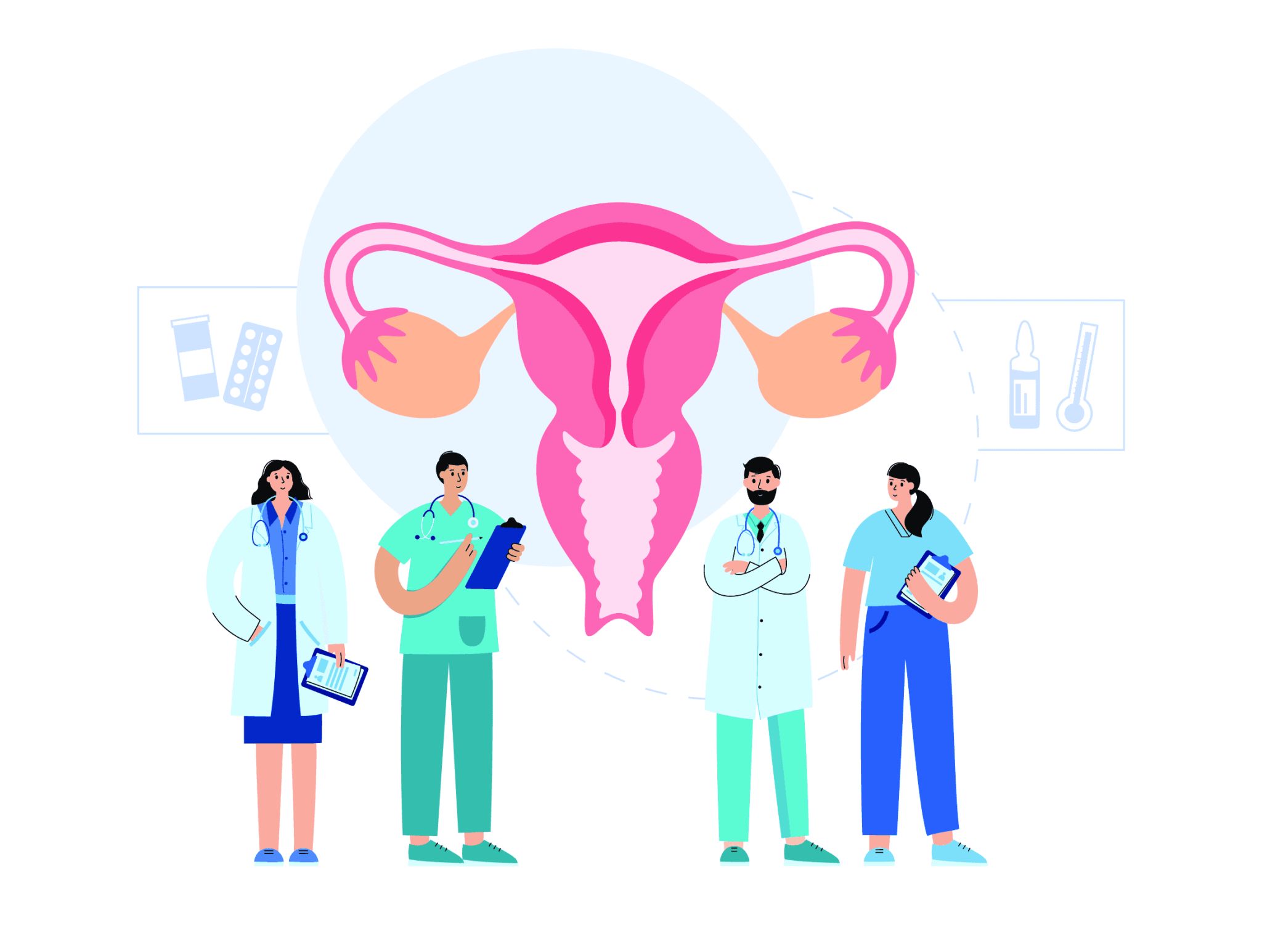
*Image for representation purpose only
IN-HPV-00561 – 28/2/2024 – 13/2/2026
Related Blogs








Copyright © 2026 Merck & Co., Inc., Rahway, NJ, USA and its affiliates. All rights reserved. IN-GSL-01842 Sep/2026
This is an educational initiative brought to you by MSD India. For more information, Speak to your doctor about HPV-related cancer and disease prevention, including vaccination.
If you want to report an adverse experience related to an MSD product- email us at dpoc_india@msd.com
You can also contact us at Tel: 18001032642; Fax: 1244647339