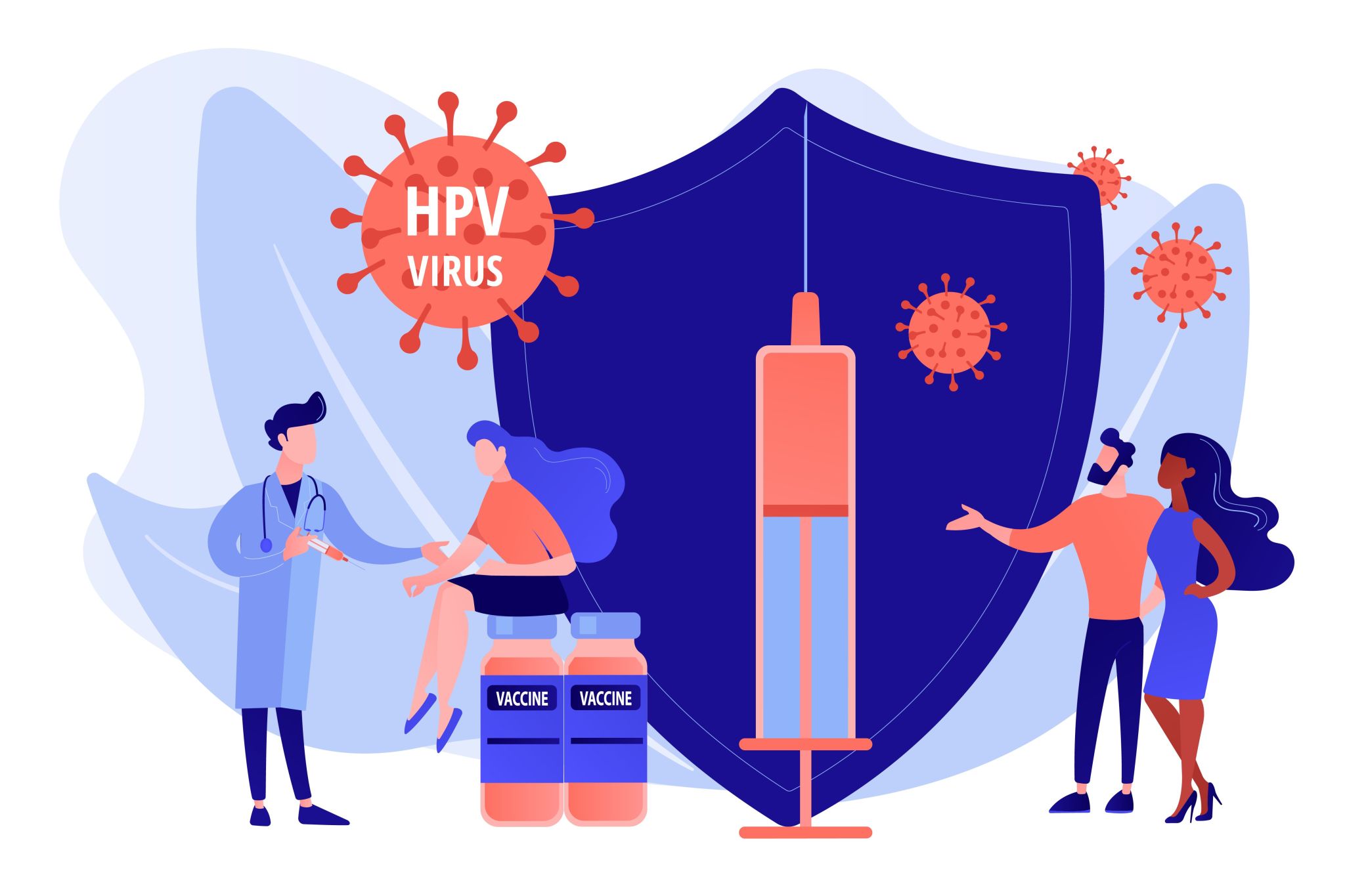
Is Anal Cancer and HPV Connected? Let’s Find Out
The rates of anal cancer have been on the rise in the past few years. While there are several tentative factors behind this cancer, there are some that stand out. The link between Human Papillomavirus (HPV) and Anal Cancer has formed a noteworthy alliance, shedding light on our overall well-being. Let us delve deeper and explore the relationship between these two conditions.
Table of Contents
HPV & Anal Cancer: Know Your Risk, Take Control
Conclusion: Knowledge is Your Weapon Against HPV-Linked Anal Cancer
The rates of anal cancer have been on the rise in the past few years. While there are several tentative factors behind this cancer, there are some that stand out. The link between Human Papillomavirus (HPV) and Anal Cancer has formed a noteworthy alliance, shedding light on our overall well-being. Let us delve deeper and explore the relationship between these two conditions.
Understanding Anal Cancer
Anal cancer has been witnessing a steady surge in incidence over the years. Several factors and symptoms can heighten the likelihood of developing anal cancer, such as age (55+), smoking, history of HPV-related cancers, anal warts, and weakened immune systems. One factor that jumps out is this association with HPV, known as Human Papillomavirus.
Does HPV Cause Anal Cancer?
HPV is a collection of over 200 associated viruses that predominantly spread via sexual contact. A small number from this vast group, primarily types 16 and 18, is considered high-risk as they are responsible for most HPV-related cancers. Low-risk types such as types 6 and 11 are linked to anal and genital warts.
The most common risk factor for anal cancer is HPV. However, it can take years, even decades, for the effects of an HPV infection to manifest as cancerous growth. This long incubation period may often disguise HPV’s role in the progression of cancer.
HPV & Anal Cancer: Know Your Risk, Take Control
It’s crucial to remember that an HPV infection doesn’t guarantee the development of anal cancer. Our immune system is usually successful in eliminating the virus. Nonetheless, when the body fails to clear the infection, and it persists for years, the risk of developing related cancers increases.
Conclusion: Knowledge is Your Weapon Against HPV-Linked Anal Cancer
Crucial health associations. It is important to educate oneself and take preventive measures, such as the HPV vaccine.
The vaccine helps protect against HPV 16 and HPV 18, which cause most cases of anal cancer.6 Not only has HPV vaccination been shown to reduce the risk of anal cancer, it is also used to help protect against other kinds of cancer, such as cervical, vulvar and vaginal cancer. As per literature, it should ideally be given before a person is exposed to HPV.
Consult your doctor to learn more about HPV prevention, and make the right choices to help protect yourself against anal cancer in the future.
Disclaimer: HPV – Human Papillomavirus. This information is intended for awareness purposes only and should not be considered a substitute for professional medical advice. Please consult your doctor.
*Image for representation purpose only
IN-GSL-00879 – 2/26/2024 – 2/1/2026
Related Blogs








Copyright © 2026 Merck & Co., Inc., Rahway, NJ, USA and its affiliates. All rights reserved. IN-GSL-01842 Sep/2026
This is an educational initiative brought to you by MSD India. For more information, Speak to your doctor about HPV-related cancer and disease prevention, including vaccination.
If you want to report an adverse experience related to an MSD product- email us at dpoc_india@msd.com
You can also contact us at Tel: 18001032642; Fax: 1244647339