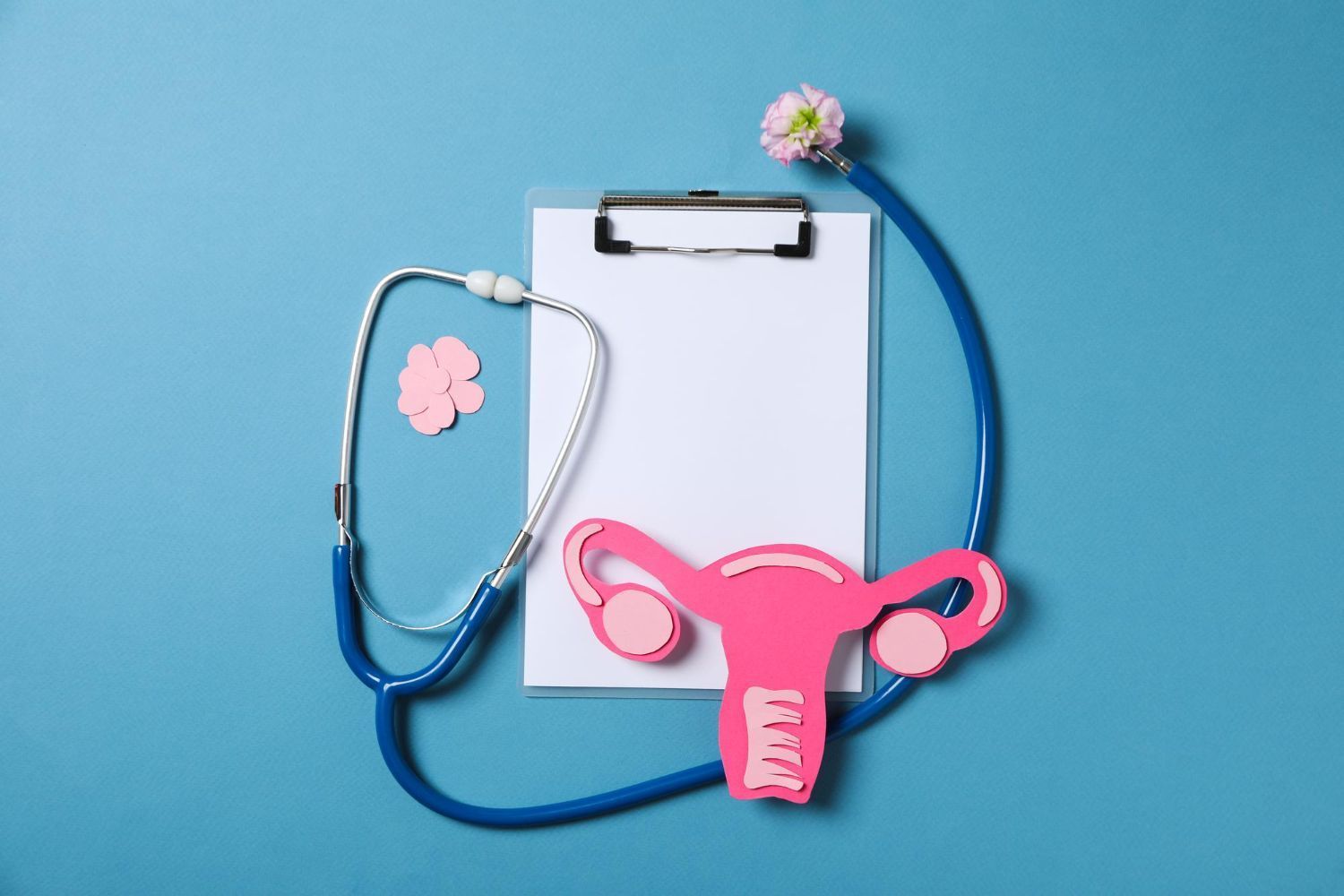
What Is the Highest Risk Factor for Cervical Cancer?
When it comes to health and well-being, age often represents more than just a number. It can be an indication of risks posed by various health issues, one of which is cervical cancer.
Table of Contents
When it comes to health and well-being, age often represents more than just a number. It can be an indication of risks posed by various health issues, one of which is cervical cancer.
Cervical cancer is the fourth most common cancer in women globally. This is why understanding the at-risk age group for cervical cancer can be a critical part of navigating your health. Let’s dive into the risk of cervical cancer by age, reasons and symptoms, so you can stay informed and protected from cervical cancer.
How Age Affects Cervical Cancer
According to reports, most cervical cancers are diagnosed in women between the ages of 35 and 44.
Understanding the age and cervical cancer correlation is crucial for informed health decisions. If not addressed, high-risk HPV infection in the cervix, the lower part of the uterus connecting to the vagina, accounts for 95% of cervical cancer cases. Roughly 10% of women infected with high-risk HPV on their cervix may develop persistent HPV infections, increasing their vulnerability to cervical cancer.
The Role of HPV
Human Papillomavirus (HPV), is a common virus that can be transmitted through sexual contact. Primarily two strains of HPV, HPV 16 and HPV 18, are known to cause most cases of cervical cancer.
HPV infections are common and most people clear the virus naturally through the immune system However, persistent high-risk HPV infections can cause cellular changes in the cervix that can lead to cervical cancer over time.
HPV Vaccination: Reducing Cervical Cancer Risk
There are certain measures you can take to help reduce your risk of developing cervical cancer. One of the most effective preventive measures against cervical cancer is getting vaccinated against HPV.
Acknowledging the risk posed by cervical cancer and understanding the connection it has with age can help arm women with the knowledge they need to make informed decisions about their health. By staying informed, detection in early stages, prioritising one’s health, and considering the the adult and adolescent HPV vaccine, you can significantly reduce the risks associated with cervical cancer and safeguard your long-term health.
Disclaimer: HPV – Human Papillomavirus. This information is intended for awareness purposes only and should not be considered a substitute for professional medical advice. Please consult your doctor.
*Image for representation purpose only
IN-GSL-00878 – 20/2/2024 – 1/2/2026
Related Blogs








Copyright © 2026 Merck & Co., Inc., Rahway, NJ, USA and its affiliates. All rights reserved. IN-GSL-01842 Sep/2026
This is an educational initiative brought to you by MSD India. For more information, Speak to your doctor about HPV-related cancer and disease prevention, including vaccination.
If you want to report an adverse experience related to an MSD product- email us at dpoc_india@msd.com
You can also contact us at Tel: 18001032642; Fax: 1244647339