
HPV in Men and Women: Symptoms, Risks and Prevention
Did you know that HPV (human papillomavirus) affects men and women differently?
Table of Contents
Did you know that HPV (human papillomavirus) affects men and women differently?
It’s true, not only are the transmission rates of HPV different for men and women, even the outcomes of the virus can be different. In women, HPV is a major risk factor for cervical cancer, whereas in men, it may cause cancers like anal cancer.
Understanding the differences between how HPV affects men and how it affects women can help you better understand how to prevent this virus. Let’s take a look at these differences in depth.
What causes HPV in men and women?
Human papillomavirus is caused by one single factor in both men and women, sexual contact. Most sexually active individuals will be infected with HPV at some point. In fact, this virus can spread even when the infected person has no signs or symptoms.
Once infected, HPV can present in different ways in men and women, let’s explore what they are.
HPV in Women
HPV in women is notorious for causing cancers such as cervical cancer. Cervical cancer is the second most common cancer in women in India. This makes awareness all the more important so that the virus can be controlled in time. Let’s look at the symptoms of HPV in females, and why HPV prevention is necessary in women.
HPV Symptoms in Women
In most cases, HPV does not present any symptoms. Low-risk HPV types may present as genital warts. Some other types of HPV can also cause abnormal cervical changes. HPV can present in the form of:
- Genital warts: In women, HPV can present as genital warts on the vulva, vagina, cervix, or around the anus. These warts can be in groups of raised or flat growths, and may have a cauliflower-like appearance.
- Abnormal cervical changes: HPV infection can lead to abnormal changes to cells in the cervix. In HPV infections that persist, these changes may become severe and cause precancers.
HPV Cancers in Women
All HPV infections are not the same, some types of human papillomavirus are more dangerous than others. For example, the high-risk types of HPV, such as HPV-16 and HPV-18, are responsible for most HPV-related cancers. They can cause abnormal cellular changes that may turn cancerous over time. These cell changes can lead to the following cancers:
- Cervical cancer: More than 95% of cervical cancer cases worldwide are caused by HPV.
- Vulvar cancer: Cervical cancer is not the only threat, around 70% of vulvar cancers are also caused by HPV.
- Vaginal cancer: Another form of HPV-related cancer, around 75% of vaginal cancers are caused by HPV.
- Anal cancer: Over 90% of anal cancers are caused by HPV.
HPV in Men
Although discussions around HPV in men often go unspoken, they are at risk of HPV too. In fact, the transmission rate of HPV from women to men is greater than from men to women, making it easier for men to unknowingly catch the infection.1 Let’s look at some of the ways in which HPV can affect men.
HPV Symptoms in Men
Like in women, most infected men will not experience any HPV symptoms. HPV may present in men as:
- Genital warts: This includes warts on the penis, scrotum, groin, or thighs. These warts may be raised or flat, small or large, in single growths or clusters.
- Anal warts: These warts show up around or inside the anus.
HPV Cancers in Men
High-risk HPV infection can lead to anal cancer in men. HPV is the primary risk factor for anal cancer, with more than 90% of cases being attributed to HPV.
HPV Prevention in Men and Women
The good news is, HPV can be prevented. Nonavalent HPV vaccination (targets 9 types of HPV) is available for both men and women. The vaccine may help prevent cancers such as cervical, vulvar, vaginal and anal cancer.
Awareness about the HPV infection is also vital to prevent its transmission. The more you know about this virus, the more equipped you will be to curtail it before it spreads.
You can contact your healthcare provider to learn more about HPV prevention and make an informed decision about vaccination.
Disclaimer: HPV – Human Papillomavirus. This information is intended for awareness purposes only and should not be considered a substitute for professional medical advice. Please consult your doctor.
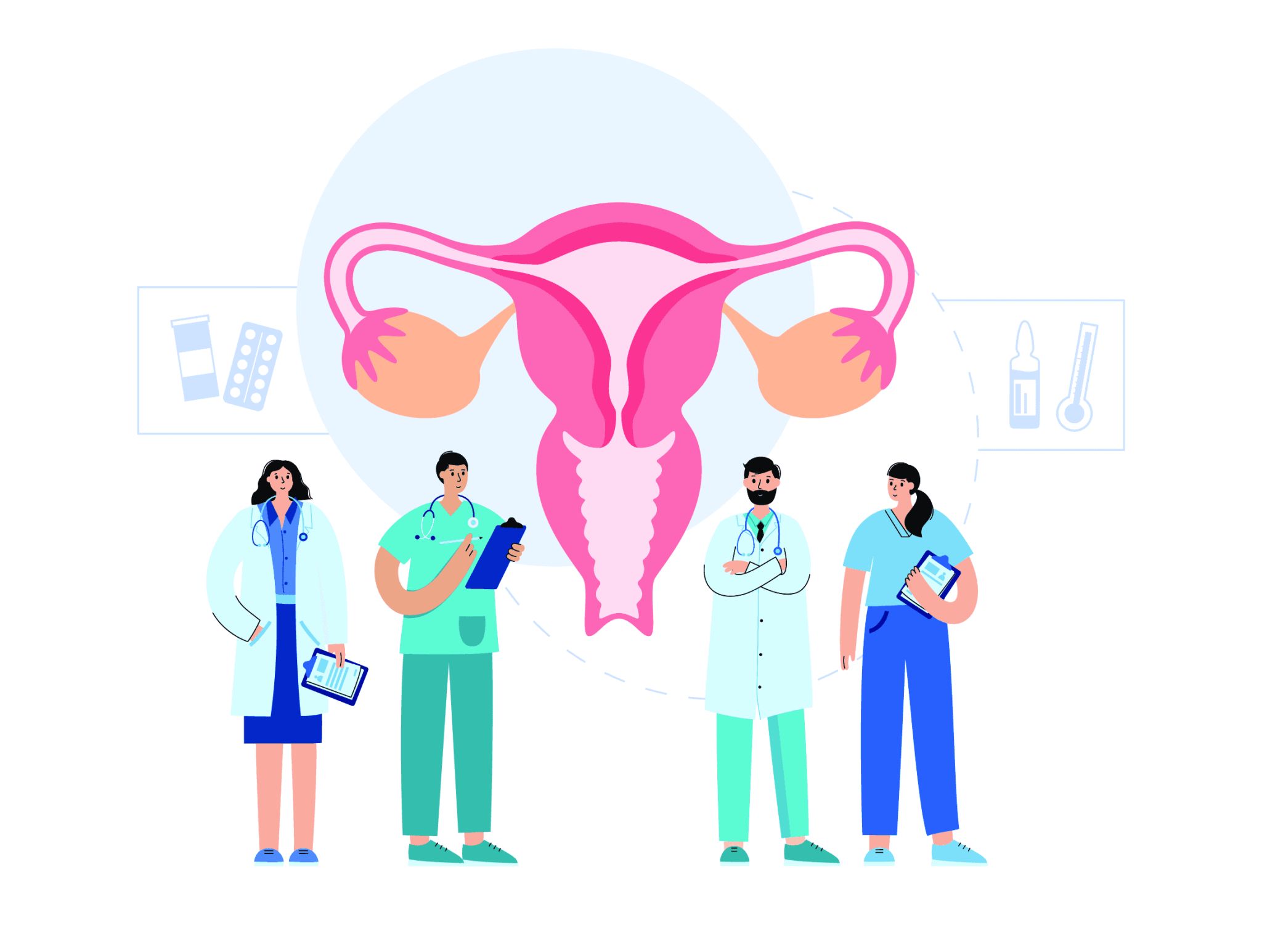
*Image for representation purpose only
IN-HPV-00541 | 12/2/2024 – 19/12/2025
Related Blogs









Copyright © 2026 Merck & Co., Inc., Rahway, NJ, USA and its affiliates. All rights reserved. IN-GSL-01842 Sep/2026
This is an educational initiative brought to you by MSD India. For more information, Speak to your doctor about HPV-related cancer and disease prevention, including vaccination.
If you want to report an adverse experience related to an MSD product- email us at dpoc_india@msd.com
You can also contact us at Tel: 18001032642; Fax: 1244647339